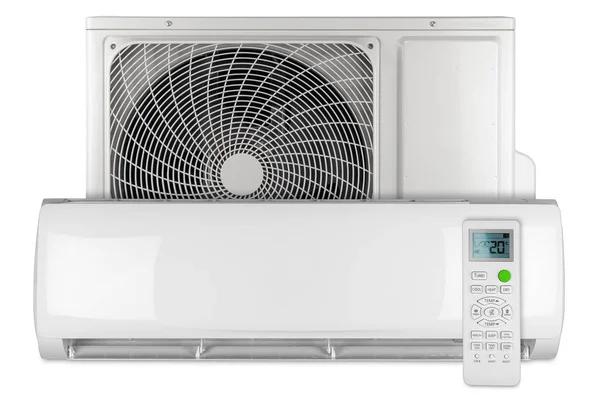
When considering the installation of a mini split air conditioner indoors, selecting the optimal location is essential for maximizing efficiency and comfort. Mini split AC units consist of an indoor air handler and an outdoor compressor, with the indoor component responsible for distributing cooled or heated air throughout the room. The best placement ensures even temperature distribution, unobstructed airflow, and convenient access for maintenance.
Typically, mini split indoor units are installed high on a wall because warm air naturally rises while cool air sinks. Placing the unit near the ceiling allows it to effectively circulate conditioned air downward across the space. This positioning helps maintain consistent temperatures without creating drafts or cold spots. Additionally, mounting the unit higher keeps it out of reach from children and pets, reducing accidental damage.
Choosing a wall that faces away from direct sunlight is another important consideration. Sunlight can heat surfaces unevenly and cause temperature fluctuations that make it harder for the system to maintain comfort levels efficiently. Installing near shaded walls helps prevent this issue and reduces energy consumption by minimizing workload on the compressor.
The location should also avoid obstacles such as furniture or large appliances that could block airflow or interfere with sensor operation. Clear space around both sides of the indoor unit ensures unrestricted circulation of conditioned air into the room while allowing return airflow back to the system’s intake vents.
Rooms where people spend significant time are ideal candidates for mini split installation since they benefit most from precise climate control. Living rooms, bedrooms, home offices, and media rooms often require reliable cooling or heating without noise disruption common in central HVAC systems. Positioning units in these areas enhances overall comfort during daily activities.
Proximity to electrical outlets and ease of routing refrigerant lines through walls are practical factors influencing placement decisions as well. Minimizing line length between indoor and outdoor components improves energy efficiency by reducing pressure loss within refrigerant pipes.
In some cases, multiple smaller units may be installed strategically in larger open-concept spaces rather than relying on one centrally located device to cover extensive square footage inefficiently.
Ultimately, selecting where to install a Mini Split AC indoors balances functional performance with aesthetic integration into living spaces while ensuring safety standards compliance during setup procedures by qualified professionals who assess structural requirements before finalizing locations tailored specifically to each environment’s unique needs.