

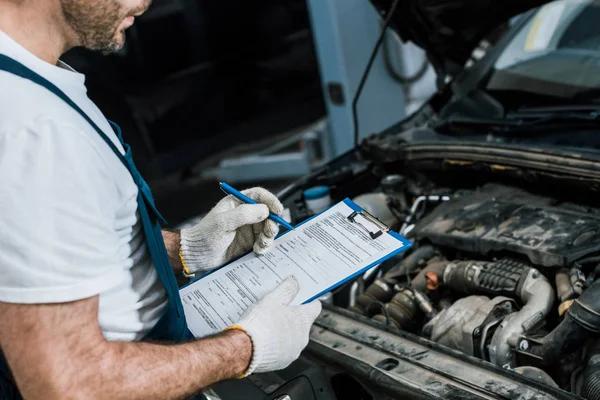
Visiting a car inspection station can be a routine part of vehicle ownership, but understanding the process and preparing properly can save time, money, and stress. Every driver should know essential tips to ensure their car passes inspection smoothly and remains safe on the road. First, it is important to understand what an inspection typically covers. Most stations check critical safety components such as brakes, tires, lights, signals, windshield wipers, horn functionality, seat belts, and emissions systems. Knowing these areas helps drivers focus on maintenance before arriving at the station.
Before heading to an inspection station, thoroughly inspect your vehicle yourself or have a trusted mechanic do so. Checking tire tread depth is crucial since worn tires often cause automatic failures. Ensure all lights including headlights, brake lights, turn signals, and hazard indicators are working properly; replacing bulbs beforehand prevents unnecessary re-inspections. Verify that windshield wipers operate effectively without streaking or skipping because visibility during rain is vital for safety inspections.
Maintaining fluid levels such as engine oil and coolant also contributes to overall vehicle health but may not directly affect the inspection outcome unless leaks are present. Address any dashboard warning lights promptly since they might indicate issues that could lead to Haywood Garage Stafford failure during emissions testing or mechanical evaluation.
Timing your visit strategically benefits both convenience and compliance with local regulations. Some regions require annual inspections while others vary by vehicle age or type; knowing deadlines avoids penalties or expired certifications. Arriving early in the day reduces waiting times because many stations experience high demand later on.
During the actual inspection process remain patient and cooperative with technicians conducting tests. If problems arise resulting in failure notices receive detailed explanations about deficiencies needing repair before retesting eligibility exists in most cases within a specified timeframe without additional fees.
If repairs are necessary after failing an initial test choose reputable service centers familiar with local standards rather than rushing into quick fixes that might not meet required criteria fully.
Keeping records of past inspections along with receipts from maintenance work provides evidence of due diligence if questions about compliance emerge later.
Finally consider environmental factors like ensuring your fuel tank isn’t nearly empty before emissions testing since low fuel levels sometimes cause inaccurate readings leading to false failures.
By following these practical tips every driver can approach car inspections confidently while promoting safer driving conditions for themselves and others sharing the roadways regularly inspected vehicles contribute significantly toward reducing accidents caused by mechanical failures making adherence not only a legal obligation but also a responsible commitment to public safety.
Haywood Garage
Main Road, Little Haywood, Stafford, ST18 0TR
0188-988-3088