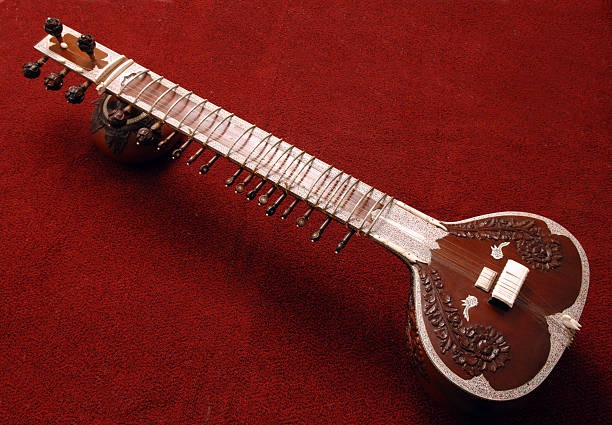
Mandolin tuning for an 8-string instrument is essential for achieving the best sound quality and performance. The standard 8-string mandolin consists of four pairs of strings, each pair tuned in unison to produce a rich, full tone. This tuning method helps maintain the traditional sound while allowing for versatility in playing different musical styles. Understanding the proper tuning and how to maintain it can significantly improve your playing experience and the instrument’s longevity.
The most common tuning for an 8-string mandolin is G-D-A-E, starting from the lowest pair of strings to the highest. Each pair is tuned to the same pitch, with the G pair being the lowest and the E pair the highest. This tuning mirrors the violin’s tuning, which makes it familiar to many musicians and provides a bright, clear sound ideal for genres like bluegrass, folk, and classical music. Ensuring that each string pair is accurately tuned to the correct pitch is critical for optimal sound quality and playability.
To tune an 8-string mandolin effectively, begin with a reliable tuning device such as a digital tuner or a tuning app designed for mandolins. Start with the lowest G pair, tuning both strings to the same pitch. Then proceed to the D, A, and E pairs, tuning each string in a pair to match precisely. This precise tuning process helps avoid dissonance and enhances the harmonic resonance of the instrument. Regularly checking the tuning, especially before playing, is important because mandolin strings can easily go out of tune due to temperature changes, humidity, or intense playing.
Maintaining string tension is another crucial factor for better performance. Over-tightening strings can cause them to break, while loose strings may produce dull or buzzing sounds. Adjusting the tuning pegs carefully and gradually will help maintain the right string tension, contributing to a balanced tone and longer string life. Additionally, replacing old or worn strings regularly ensures consistent tuning stability and sound quality.
Understanding the role of the mandolin’s bridge and tailpiece can also contribute to better tuning results. Proper placement and adjustment of the bridge improve string action and intonation, making it easier to keep the instrument in tune. If necessary, consult a professional for setup adjustments to optimize the mandolin’s performance.
In summary, mastering the mandolin tuning 8 string involves using the standard G-D-A-E tuning, accurately tuning each string pair, maintaining appropriate string tension, and ensuring the instrument’s setup is in good condition. Following these steps will lead to improved sound clarity, playability, and overall enjoyment of the instrument.